Dropshipping from Lebanon is possible in 2026, but requires working around real payment and banking limitations. This honest guide covers what actually works, from platforms and payment solutions to realistic profit margins, so Lebanese entrepreneurs can make an informed decision before starting.
Dropshipping from Lebanon in 2026 is technically possible but comes with payment, banking, and logistics challenges that anyone starting out must understand before investing time and money. This guide gives Lebanese entrepreneurs a realistic picture of what it takes to run a dropshipping business from Beirut, including which platforms work, how to handle payments without Stripe, and whether the economics actually make sense given the current Lebanese market environment.
What is dropshipping and can it work from Lebanon?
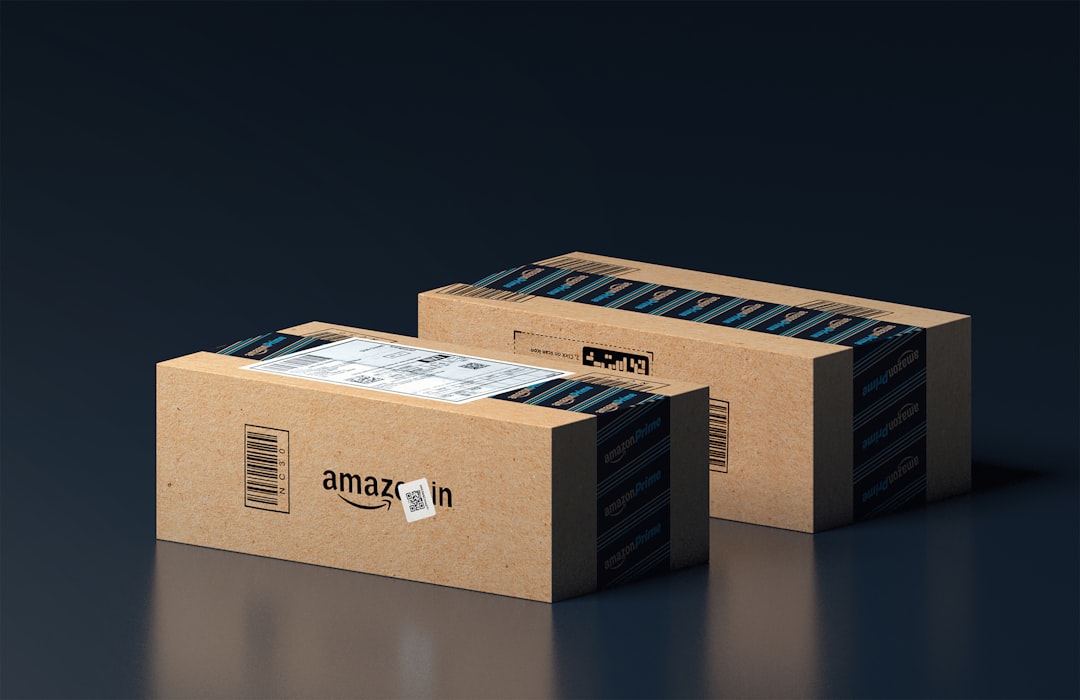
Dropshipping is an e-commerce model where you sell products you do not physically stock. When a customer places an order through your online store, you forward that order to a supplier, usually a manufacturer or wholesaler on AliExpress, CJDropshipping, or a specialized platform, who ships directly to your customer. You keep the margin between your selling price and the supplier's wholesale cost.
In theory, dropshipping from Lebanon has strong appeal: low startup cost, no warehouse needed, and no inventory to manage. In practice, Lebanon creates specific friction at three critical points: payment processing, supplier relationships, and banking access.
Yes, dropshipping can work from Lebanon. Lebanese entrepreneurs are successfully running dropshipping businesses in 2026: typically targeting European, North American, or Gulf markets where customers have purchasing power and credit cards. But the setup requires solving problems that entrepreneurs in the US or Europe do not face.
What are the payment and banking challenges for Lebanese dropshippers?
This is the most critical issue to resolve before starting. Stripe, the most popular payment processor for global e-commerce, does not support Lebanon as a country of registration. PayPal has restrictions on Lebanese accounts. This leaves Lebanese dropshippers with a narrower set of options:
Working payment solutions in 2026:
-
Register a company abroad - Many Lebanese entrepreneurs register a company in the UK, UAE, or USA (a Wyoming LLC costs 100 to 200 USD per year) and use that entity to open Stripe or PayPal accounts. This requires a foreign address and a local contact or registered agent service, but is legal and widely used by Lebanese entrepreneurs.
-
Paddle or Lemon Squeezy - These merchant-of-record platforms handle payments globally and pay out to Lebanese bank accounts in USD. They charge higher fees (5 to 8% vs Stripe's 2.9%) but require no company registration outside Lebanon.
-
Payoneer - Lebanese entrepreneurs can open Payoneer accounts, receive USD payments, and transfer to Lebanese bank accounts. Payoneer also integrates with several e-commerce platforms as a payout method from marketplace sales.
-
2Checkout (now Verifone) - Accepts registrations from Lebanese companies and supports most major card networks. More expensive than Stripe but operational for Lebanese sellers.
-
Crypto payments - A growing segment of Lebanese dropshippers accept USDT or other stablecoins, particularly for Gulf and MENA customers. This removes banking constraints entirely but limits your customer pool to crypto-comfortable buyers.
Which dropshipping platforms work best for Lebanese entrepreneurs?
Shopify: Still the strongest e-commerce platform for dropshipping globally. Lebanese entrepreneurs can open a Shopify store without restriction: the payment challenge is at the payment processor level, not Shopify itself. Pair Shopify with Payoneer or a foreign-registered Stripe account for the smoothest experience.
WooCommerce: Open-source, self-hosted on any web host. No geographic restrictions. Works with any payment gateway that supports Lebanon. Higher technical setup than Shopify but lower monthly cost, suitable for Lebanese entrepreneurs with development experience or access to a developer.
AliExpress via DSers: The standard product source for mass-market dropshipping. DSers connects directly to Shopify or WooCommerce and automates order forwarding to AliExpress suppliers in China. Shipping times to European or US customers run 10 to 21 days.
CJDropshipping: A better alternative to AliExpress for Lebanese dropshippers targeting quality-conscious markets. CJDropshipping provides US and EU warehouse options that reduce shipping times to 3 to 7 days, dramatically improving customer satisfaction and reducing dispute rates.
Printify or Printful: For print-on-demand dropshipping (custom T-shirts, mugs, phone cases). No inventory, no handling, and both platforms pay out globally. Print-on-demand is one of the cleanest dropshipping models for Lebanese entrepreneurs because the product niche is differentiated and margin compression is lower than general merchandise.
How do you handle shipping and customs when dropshipping from Lebanon?
In standard dropshipping, you do not ship from Lebanon: your supplier ships directly to your customer from their warehouse in China, the US, or the EU. You are the merchant of record. The shipping challenge for Lebanese dropshippers is managing customer expectations, not physical logistics.
Key considerations:
-
Be transparent about shipping times. If you source from China, products take 14 to 21 days. If you use CJDropshipping's US warehouse, it is 5 to 7 days. Concealing shipping timelines leads to chargebacks, bad reviews, and PayPal disputes that can shut down a new account quickly.
-
Customs duties for your target market. EU customers face import duties and VAT on goods over 150 EUR. This affects your pricing strategy and what you communicate at checkout. Factor it into your product selection.
-
Return policies. Standard dropshipping practice is to ask customers to keep low-value items (under 20 USD) rather than ship back to China. For higher-value items, some Lebanese dropshippers use a reshipping service or offer refunds without return to protect customer satisfaction scores.
-
Dropshipping to Lebanon domestically. Some Lebanese entrepreneurs target the local market. Lebanese customers are comfortable with WhatsApp-based ordering and cash on delivery. Platforms like Zbooni or a simple WhatsApp catalog work well for local product dropshipping in Lebanon, with no payment processing complexity.
What are realistic profit margins for dropshipping from Lebanon in 2026?
General merchandise dropshipping (standard AliExpress products, no unique positioning) is extremely competitive in 2026. Margins are thin and marketing costs have risen significantly since 2021.
Typical economics for a general merchandise dropshipping store:
- Product margin before ads: 20 to 40%
- Meta Ads cost to acquire a customer at a 2x return on ad spend: 50% of revenue
- Net margin after ads, platform fees, and payment processing: 5 to 15%
This means a Lebanese dropshipper selling 10,000 USD of products per month might net 500 to 1,500 USD: a viable side income, but not a business that scales easily without significant capital investment in ads.
Better margin profiles exist in focused niches:
- Print-on-demand with original designs: 30 to 50% net margin with lower ad costs in less saturated niches
- Premium products with white-label branding (supplements, custom accessories): 40 to 60% margin with higher average order value
- Dropshipping to the Gulf (Saudi Arabia, UAE, Kuwait): higher average order values and less price sensitivity than European markets
For a broader view of building a genuine Lebanese e-commerce business beyond dropshipping, e-commerce Lebanon, what you need to know covers the full landscape. When you are ready to invest in a professional store, how much does a website cost in Lebanon gives realistic budget guidance across store types.
Is dropshipping a viable business model from Lebanon in 2026?
Yes, with honest expectations. Dropshipping from Lebanon in 2026 is best suited to:
- Entrepreneurs willing to register a legal entity abroad to solve the payment processing challenge
- People with existing marketing skills in paid social or SEO: dropshipping rewards marketers, not just store builders
- Niche-focused sellers targeting specific product categories where general merchandising competition is lower
- Side-income seekers comfortable with 500 to 2,000 USD per month in net profit rather than treating it as a primary income from day one
Lebanese dropshippers who struggle are typically those who treat it as passive income, underestimate marketing costs, or try to compete on general merchandise against established operators with economies of scale.
The real opportunity for Lebanese entrepreneurs in dropshipping is in the Gulf market. Lebanese entrepreneurs are multilingual, culturally close to Gulf consumers, and well-positioned to serve Saudi, Emirati, and Kuwaiti buyers through Arabic-language stores targeting categories underserved by large global marketplaces. This is a geographic and cultural advantage that Lebanese dropshippers should be using deliberately.
A well-built store is the critical differentiator in a competitive dropshipping market. Voxire's e-commerce development for Lebanese businesses can build a fast, conversion-optimized store that makes your dropshipping operation look and perform like a premium brand.
Ready to launch your online store in Lebanon?
Voxire builds professional e-commerce stores for Lebanese entrepreneurs: whether you are starting a dropshipping business, launching your own branded products, or scaling an existing store. We handle the build, the SEO, and the marketing strategy so you can focus on growing the business.
Enjoying this article?
Enter your email and get a clean, formatted PDF of this article: free, no spam.
Voxire
E-commerce for the GCC
E-commerce for brands selling into Saudi Arabia, the UAE, Kuwait, and Qatar. Shopify and custom Next.js storefronts, Mada and STC Pay, Tabby and Tamara, Arabic checkout, COD economics, and fulfilment partners that actually deliver.
Learn more