Cash on delivery still rules Lebanon, but online card payments are growing fast, and picking the wrong payment gateway will quietly bleed your store. Here is which gateway to use, when, and how to combine them so you stop losing checkouts.
The short answer
If you are running an e-commerce store in Lebanon in 2026, the honest playbook is: keep cash on delivery (it is still 60-70% of Lebanese transactions), add Tap Payments or Areeba as your primary card gateway for credit and debit cards, and layer Whish or OMT for fresh-dollar local transfers. MyFatoorah is the cleanest option if you sell across Lebanon plus the GCC. Stripe still does not officially support Lebanese-registered businesses, so do not build your store around it. Pick by where your customers actually are, not by which logo looks nicest in the footer.
Why does payment gateway choice matter so much in Lebanon?
The Lebanese e-commerce market is unusual. Three things make payment infrastructure harder here than almost anywhere else:
- Currency split: customers think in lollar, fresh dollar, and Lebanese pound at the same time. A gateway that only settles in one currency creates friction at checkout and at reconciliation.
- Trust deficit: years of banking restrictions trained Lebanese consumers to default to cash on delivery. Even today, asking for a card number on a new site costs you conversions if the trust signals are weak.
- Cross-border buyers: a meaningful slice of any Lebanese store's revenue comes from the diaspora and GCC residents. They expect international card support, regional wallets, and currency they recognize.
Pick the wrong gateway and you do not just pay higher fees. You quietly lose 5-15% of your checkouts to abandoned carts, failed transactions, and customers who simply did not see a payment option they trust. We touched on this in e-commerce in Lebanon: what you need to know, payments are where most stores either close the loop or leak it.
What payment gateways actually work in Lebanon in 2026?
Here is the realistic shortlist. Not every option, just the ones that are battle-tested with Lebanese stores.
Tap Payments
Often called "the Stripe of the Middle East." Tap supports Visa, Mastercard, Apple Pay, Google Pay, KNET, Mada, and Benefit. Integration is clean for Shopify, WooCommerce, and custom stacks. Settlement to Lebanese accounts works through their MENA infrastructure. Fees are competitive (around 2.9% per transaction for international cards, lower for local).
Best for: stores selling across Lebanon and the wider Gulf, brands that want one developer-friendly integration with strong documentation.
Areeba
A Lebanese acquirer with deep local bank relationships. Areeba is what most established Lebanese merchants and large brands run on, partly because it integrates directly with Lebanese banks and partly because of brand trust. Fees are negotiable based on volume, but onboarding takes longer and requires more paperwork than Tap.
Best for: established brands with predictable monthly volume that want a Lebanese-anchored relationship and willing to invest in onboarding.
MyFatoorah
A Kuwait-based gateway that supports Lebanon, KNET, KFAST, Mada, STC Pay, BenefitPay, and major credit cards. Strong if you ship to the GCC. Their hosted checkout is genuinely good and their dashboard is one of the better ones in the region.
Best for: Lebanese stores that already sell or want to sell into Kuwait, Saudi, UAE, Bahrain, Qatar.
Whish Money
Local mobile wallet that has become a real payment rail in Lebanon. Customers can pay directly from their Whish balance. Fees are low for the merchant and the customer experience is fast for in-country buyers. See also: Digital wallets and modern payment options for Lebanese for the topic-specific playbook.
Best for: stores serving primarily Lebanese customers who already use Whish for fresh-dollar transfers.
OMT (Online)
OMT remains the most trusted brand in Lebanon for cash and bank transfers. Their online integration lets you accept payment by directing the customer to pay via OMT and confirming via reference number. Manual but reliable for higher-ticket items.
Best for: B2B orders, high-ticket services, or any situation where the buyer trusts OMT over a card.
Cash on delivery
Still the king. Cash on delivery accounts for an estimated 60-70% of Lebanese e-commerce transactions in 2026. Removing it does not move customers to cards: it loses you the order. Keep it as an option even if you wish you did not have to.
What about Stripe and PayPal?
Stripe still does not officially support businesses registered in Lebanon. Some founders set up a US LLC or UAE entity to access it. PayPal works for receiving payments but the fees and the multi-step withdrawal flow make it impractical as a primary checkout option for most Lebanese stores.
How do you actually choose between them?
There is no single "best" gateway in Lebanon. There is the right combination for your specific store. Use this decision tree:
- Selling primarily in Lebanon, low-to-mid ticket? Tap or Areeba for cards + Whish + cash on delivery. That is the workhorse stack.
- Selling across Lebanon plus GCC? MyFatoorah or Tap for cards + KNET/Mada coverage + cash on delivery for local + bank transfer for high-ticket.
- Selling primarily diaspora/international? Tap for international cards + a UAE or US entity with Stripe if you can justify it + PayPal as backup.
- B2B / high-ticket / long sales cycles? Bank transfer + OMT + invoice-based payments. Cards are secondary.
We unpack the diaspora and GCC angle in more depth in selling online from Lebanon to the GCC, the gateway choice is the load-bearing wall of that whole strategy.
What does a good Lebanese checkout actually include?
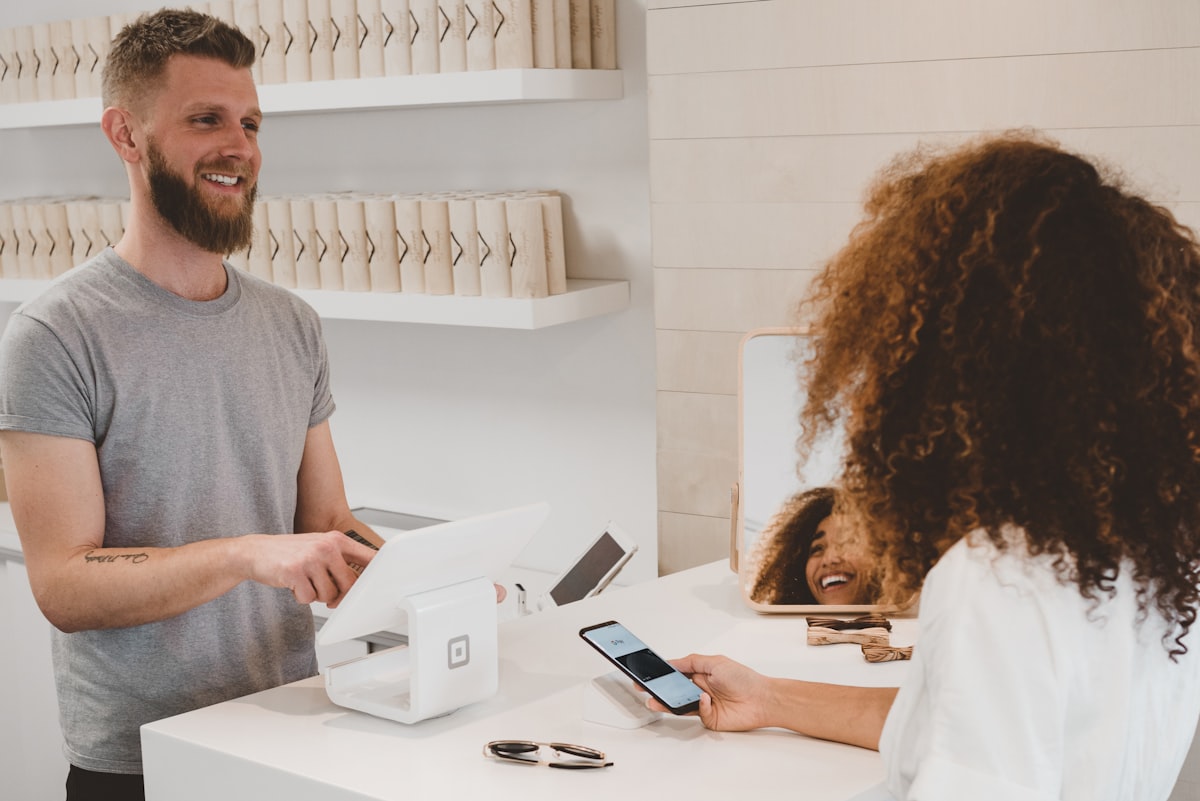
A well-designed checkout for a Lebanese store does five things at once:
- Offers cash on delivery first or second in the list (do not bury it)
- Offers cards through Tap, Areeba, or MyFatoorah with clear logos
- Offers Whish for in-country mobile wallet users
- Shows prices in both LBP and USD where relevant
- Surfaces trust signals near the pay button: SSL badge, return policy, contact number, real address
The same checkout that converts well in the US will quietly underperform in Lebanon if it skips any of these. Trust is currency. Make every doubt explicit and answer it on the page.
What about fees and settlement times?
Rough 2026 numbers for Lebanese stores:
- Tap: 2.5-2.9% per international card transaction, 1.5-2% for local cards, settlement in 2-4 business days
- Areeba: 2-3% range, negotiable on volume, settlement varies by bank
- MyFatoorah: 2.5-3.5% depending on payment method, settlement in 1-3 business days
- Whish: 1-2% range, settlement same day or next day in most cases
- OMT online: flat fee per transaction, settlement when the customer completes the manual transfer
Always negotiate. Published rates are starting points, not final pricing. If you process more than $10K-20K per month, ask for tiered pricing. If you are running on Shopify or WooCommerce, you also pay platform processing fees on top. Read Shopify vs WooCommerce for Lebanese stores in 2026 for the platform-side breakdown.
What should you actually do this week?
If you are launching:
- Pick one card gateway (Tap is the safest first move for most stores)
- Add cash on delivery before anything else
- Add Whish if your audience uses it
- Test the full checkout on mobile, in airplane mode for COD flow, and with a real card
If you are already live but conversions are low:
- Audit your checkout. Drop into it as a customer and try to pay
- Check abandoned cart data: if drop-off is at the payment step, your gateway mix is the issue
- Add a second gateway as a fallback. Many Lebanese stores quietly double their successful card transactions just by offering both Tap and Areeba
Payment infrastructure is one of the few parts of an e-commerce store where the boring choice usually wins. Pick the gateway that processes reliably, settles on time, and matches where your customers actually live, and let everyone else fight over the prettier logo.
Ready to launch your online store in Lebanon?
Voxire builds Shopify and WooCommerce stores wired with the right Lebanese payment stack from day one: Tap, Areeba, MyFatoorah, Whish, cash on delivery, and the trust signals that actually convert local buyers. We handle the integration, the testing, and the post-launch tuning so your checkout stops leaking sales.
→ See our e-commerce development → Get a Free Quote → Chat on WhatsApp
Enjoying this article?
Enter your email and get a clean, formatted PDF of this article: free, no spam.
Voxire
Web Development in Lebanon
Production web development for Lebanese businesses. Next.js and React builds, e-commerce, custom applications, bilingual Arabic and English from the first wireframe, USD pricing with fixed scope, and honest numbers on what a build costs here.
Learn more