The Lebanese payment landscape has shifted significantly in recent years. Digital wallets, OMT, WhatsApp Pay, and international processors have opened new options for businesses that know how to use them. Here is what works in 2026.
The Lebanese payment landscape in 2026: more options, more complexity
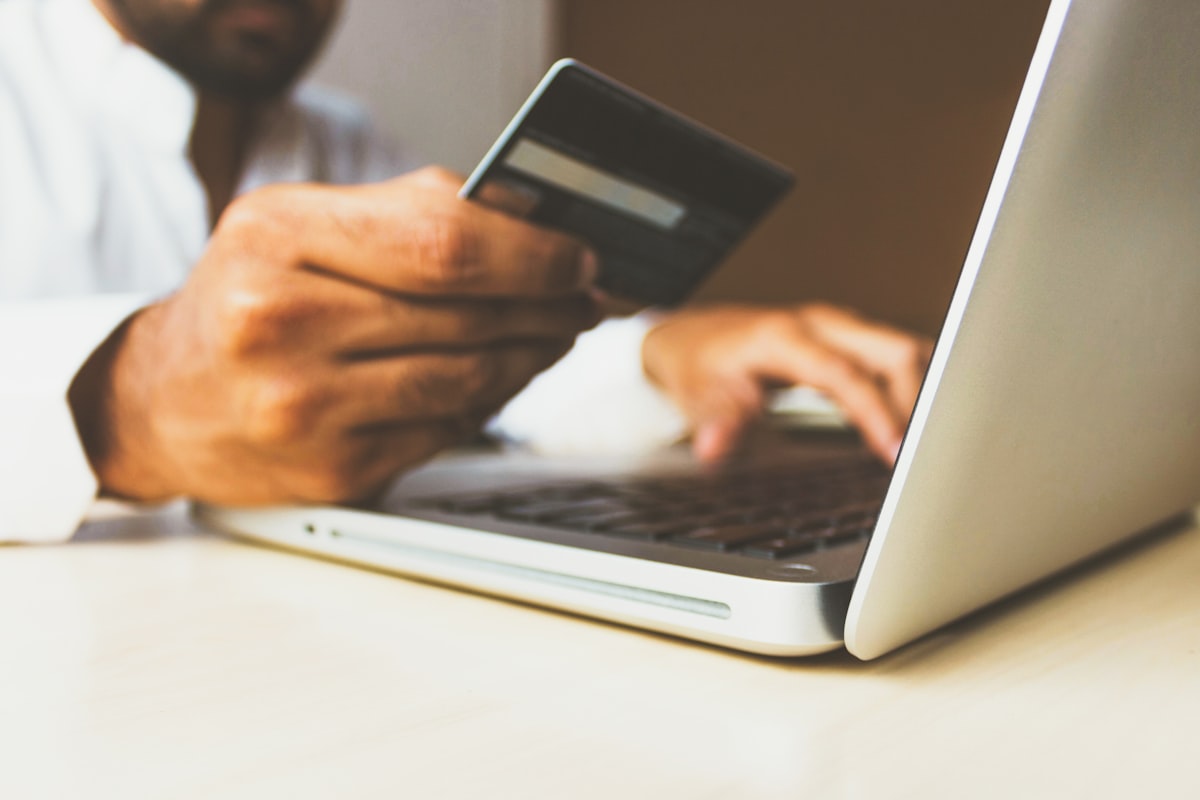
Anyone trying to run an e-commerce business or accept online payments in Lebanon knows that payment infrastructure has been one of the most persistent challenges of the past several years. But the landscape in 2026 is materially different from 2022 or 2023: more options exist, more work-arounds have been formalized, and the rise of digital wallets and international payment platforms has created real alternatives for businesses that were previously stuck with limited options.
This guide covers the current state of digital payments in Lebanon, which solutions are actually working for Lebanese businesses in 2026, and how to structure your payment infrastructure to maximize conversions and minimize operational friction.
Where Lebanese businesses collect money in 2026
Cash on delivery (COD)
Despite everything, COD remains the most commonly used payment method for Lebanese e-commerce. Customers in Lebanon still have higher trust in paying when they receive the product than in pre-paying online. For businesses, COD means higher cart completion rates at the cost of operational complexity: failed deliveries, returns, and the logistics of handling physical cash.
If you are running an e-commerce business in Lebanon and are not offering COD, you are probably losing 40-60% of potential customers who would have bought but did not trust pre-payment. COD is not optional for most Lebanese consumer e-commerce businesses.
OMT and Western Union transfers
OMT remains a practical payment method for Lebanese businesses, particularly for larger transaction values where buyers are more willing to go to an OMT branch. OMT has expanded its services and remains widely distributed across Lebanon. For service businesses issuing invoices, OMT transfers are a standard payment expectation.
Bank transfers (fresh dollar accounts)
For B2B transactions and higher-value service contracts, fresh dollar bank transfers between businesses are standard. The key for businesses is ensuring your invoice clearly specifies fresh USD to avoid ambiguity about currency and bank conditions.
Digital wallets: what is actually working in Lebanon
Several digital wallet options have gained meaningful traction:
OMT Digital: OMT digital wallet allows users to store and transfer money without physical branches. For businesses, accepting OMT Digital payments creates a frictionless checkout path for customers who prefer not to use credit cards but want faster transactions than a physical branch visit.
Whish Money: Lebanon leading digital wallet platform with broad merchant acceptance. Whish has built significant user adoption among Lebanese consumers who want a card-free payment option. For Lebanese businesses, integrating Whish as a payment option (available via their merchant API) adds a payment method that a meaningful segment of Lebanese consumers prefers.
WhatsApp Pay: Meta has been gradually expanding WhatsApp Pay to additional markets. While full implementation in Lebanon is still developing, the infrastructure for person-to-person payments is increasingly active and business payment acceptance is on the roadmap. Lebanese businesses should monitor this closely, WhatsApp is already a primary commerce channel and native payment within the app would be significant.
Stripe for Lebanese businesses
Stripe is available for Lebanese businesses but requires a business entity in a supported country. The most common approach for Lebanese entrepreneurs and businesses with international ambitions: register a company in the UAE (easy and fast), the UK, or the US, then process international customer payments through Stripe using that entity.
This is not a workaround: it is a legitimate business structure. Lebanese business owners frequently run legal international entities for exactly this purpose. The Lebanese operations are managed locally while payment processing flows through the international entity.
This structure works well for:
- Lebanese SaaS businesses and digital products selling globally
- Lebanese businesses serving Gulf, European, or American customers
- Freelancers and agencies with international client bases
PayPal
PayPal operates in Lebanon with limitations, sending payments is more restricted than receiving in some scenarios. For Lebanese businesses with clients in countries where PayPal is dominant (some European markets, the US), having a PayPal Business account is worth the setup overhead.
Binance Pay and crypto
A meaningful segment of Lebanese businesses and customers use cryptocurrency for transactions, particularly among the tech-savvy younger demographic and for international transfers. Binance Pay allows merchants to accept USDT, USDC, and other cryptocurrencies with instant settlement. For Lebanese businesses dealing with clients who prefer crypto settlement, this is a practical option that many businesses have added alongside traditional payment methods.
What converts best for Lebanese e-commerce checkout
Based on patterns in the Lebanese market in 2026, a well-structured checkout for a Lebanese e-commerce store should offer:
- Cash on delivery (primary option, do not make customers scroll to find it)
- Whish Money digital wallet
- Bank transfer instructions (with account details displayed after order placement)
- Credit or debit card via a payment gateway (BoB Finance, Areeba, or equivalent Lebanese processor)
- OMT transfer (for customers who prefer it)
Displaying all options clearly and making COD prominent reduces checkout abandonment significantly. Lebanese consumers who see only card payment as an option frequently abandon: not because they cannot pay, but because they do not trust entering card details on unfamiliar platforms.
Building trust for online payments in Lebanon
Payment method availability is only half the challenge. Lebanese consumers are skeptical of online payments in general because of documented fraud and unreliable businesses. Trust signals that reduce payment hesitation:
- Visible WhatsApp contact with real response times
- Physical address displayed prominently (not just a PO box)
- Return and refund policy stated clearly before checkout
- Customer reviews and UGC showing real purchases
- SSL certificate (HTTPS), many Lebanese consumers now consciously check for the lock icon
- Real product photos (not stock photos) and accurate descriptions
The combination of multiple payment options and high trust signals produces the highest conversion rates for Lebanese e-commerce businesses in 2026.
Payment infrastructure for Lebanese service businesses
For service businesses issuing invoices rather than processing checkout flows, the practical stack in 2026:
- Create invoices in a professional format that clearly specifies amount in fresh USD
- Offer at least two payment methods: bank transfer and OMT
- For international clients: Wise (bank-to-bank transfers) or Stripe invoicing through an international entity
- Follow up invoices via WhatsApp: email invoices are frequently missed in Lebanon, WhatsApp reminders are not
Integrating the right payment options requires both technical and market expertise. Voxire's e-commerce development in Lebanon builds stores with the full payment mix Lebanese and MENA buyers expect: digital wallets, cash on delivery, bank transfer, and card payments.
Need help setting up your Lebanese business for online payments?
Voxire builds Lebanese business websites with proper payment infrastructure, from choosing the right payment methods to integrating them correctly into your checkout flow.
Enjoying this article?
Enter your email and get a clean, formatted PDF of this article: free, no spam.
Voxire
Digital Marketing
Paid media, SEO, content, and lifecycle marketing across MENA. Google Ads, Meta, TikTok and Snapchat, measurement that survives the loss of third-party cookies, and campaign structures built to be audited rather than admired.
Learn more